Maya Panchakam
मायापञ्चकम्
Verse 1
निरुपमनित्यनिरंशकेऽप्यखण्डे मयि चिति सर्वविकल्पनादिशून्ये । घटयति जगदीशजीवभेदं त्वघटितघटनापटीयसी माया ॥ १॥
English meaning
In me, awareness without parts, comparison or change, Maya makes world, Lord and individual appear separate. It brings about what seems impossible.
Verse 2
श्रुतिशतनिगमान्तशोधकान प्यहह धनादिनिदर्शनेन सद्यः । कलुषयति चतुष्पदाद्यभिन्ना नघटितघटनापटीयसी माया ॥ २॥
English meaning
Even scholars who have searched hundreds of scriptural teachings can lose their discernment at the sight of wealth, reacting like animals. Such is Maya’s power.
Verse 3
सुखचिदखण्डविबोधमद्वितीयं वियदनलादिविनिर्मिते नियोज्य । भ्रमयति भवसागरे नितान्तं त्वघटितघटनापटीयसी माया ॥ ३॥
English meaning
Maya associates undivided awareness and joy with a body formed of elements such as space and fire. Thus one wanders in the ocean of becoming.
Verse 4
अपगतगुणवर्णजातिभेदे सुखचिति विप्रविडाद्यहंकृतिं च । स्फुटयति सुतदारगेहमोहं त्वघटितघटनापटीयसी माया ॥ ४॥
English meaning
Awareness itself has no differences of quality, social rank or birth. Yet Maya gives rise to claims of status and possessive attachment to children, spouse and home.
Verse 5
विधिहरिहरविभेदमप्यखण्डे बत विरचय्य बुधानपि प्रकामम् । भ्रमयति हरिहरभेदभावा नघटितघटनापटीयसी माया ॥ ५॥
English meaning
Within the indivisible, Maya draws distinctions among Brahma, Vishnu and Shiva. Even the learned can be bewildered into treating Hari and Hara as fundamentally separate.
Source and attribution
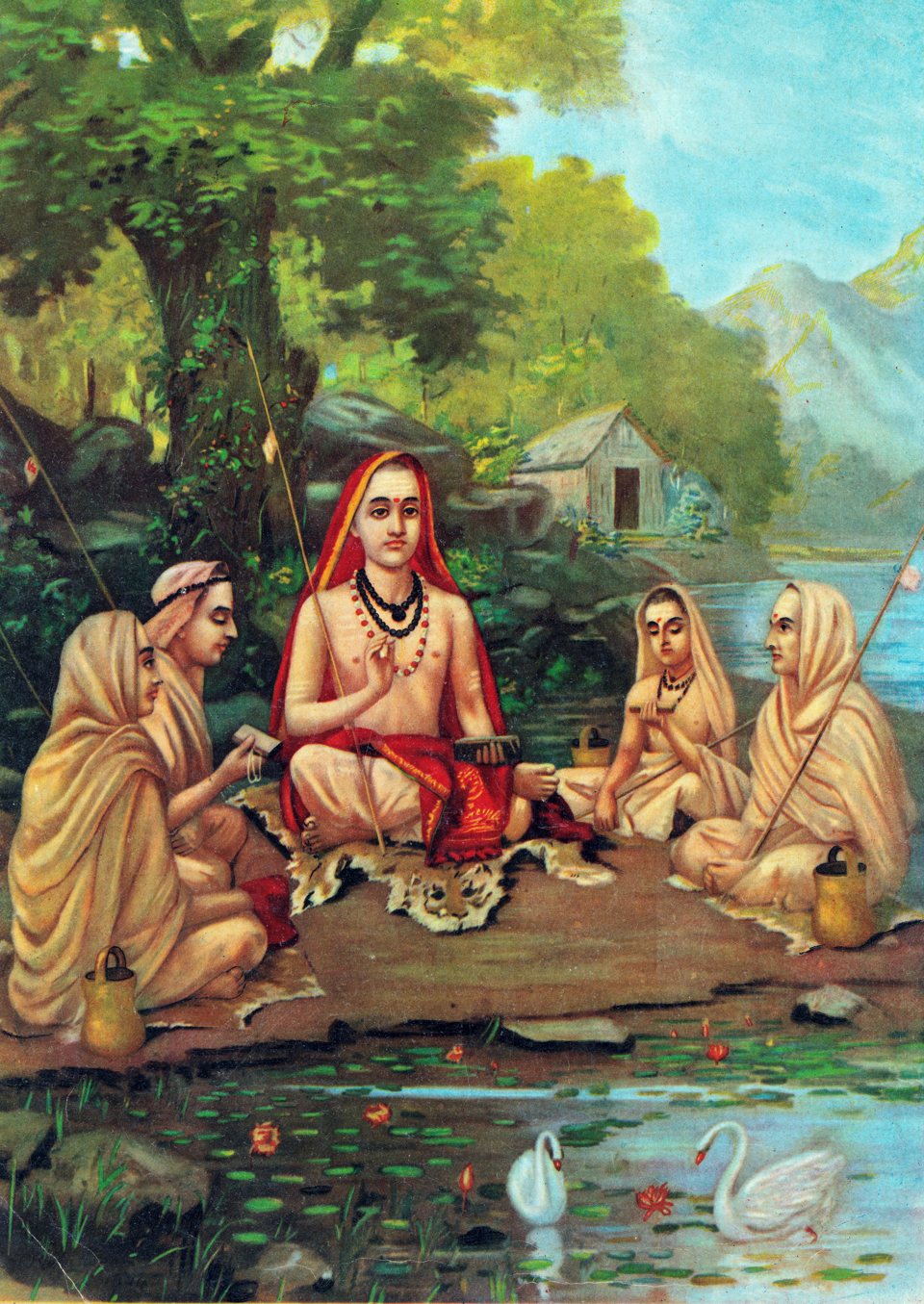
Traditionally attributed to Adi Shankara. Sanskrit from Sanskrit Wikisource contributors, selected revision. Paragraph breaks and editorial markup adapted. Transcription under CC BY-SA 4.0. English meanings prepared for DHIH.